
How to Write a Hook That Stops the Scroll
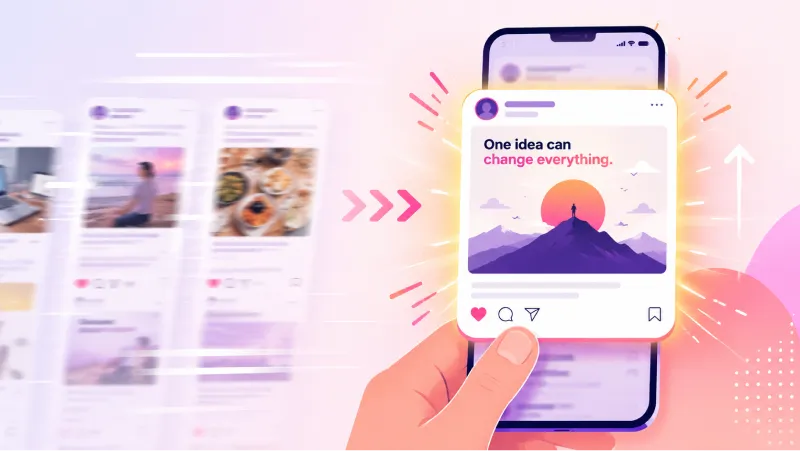
Your audience sees hundreds of posts every day. In the age of infinite scrolling, you have only 1.7 seconds to make someone pause. If your opening line doesn't land, even your best ideas, research, and insights may never get read.
A strong hook creates curiosity, communicates a clear payoff, or challenges what your audience already believes. The key is to make it specific to your audience, topic, and voice, rather than relying on generic formulas.
In this guide, you'll learn how to write scroll-stopping hooks, the formulas you can use, common mistakes to avoid, and how to generate and design authentic hooks faster with AI.
Why Your Hook Matters
People scroll quickly. Your opening needs to communicate value before they decide to move on.
- Stop the scroll
- Create curiosity
- Highlight a problem
- Promise a useful outcome
- Make your content feel relevant
But a hook isn't about clickbait. It should lead to content that actually delivers on the promise.
What Makes a Hook Good?
5 simple principles for writing hooks that grab attention and make people keep reading.
1. Make It Specific
Generic hooks are easy to ignore.
The second hook tells the reader exactly what they're going to learn.
2. Create Curiosity
Give people a reason to want the next sentence.
- Nobody talks about this content mistake.
- I stopped posting every day. Here's what happened.
- The best content strategy isn't what you think.
Don't reveal everything in the hook. Give the reader a reason to continue.
3. Focus on a Problem
If your audience has a problem, call it out.
- Your posts aren't boring. Your hooks are.
- Spending hours designing carousels?
- Getting views but no engagement?
When readers recognize their own problem, the content immediately becomes more relevant.
4. Promise a Clear Payoff
Show readers what they'll get by continuing.
A clear payoff makes the content feel worth their time.
5. Sound Like You
Generic AI-generated hooks often rely on the same formulas and phrases. Over time, that can make your content feel repetitive and disconnected from your personal brand.
Use your own experiences, opinions, observations, and language.
The second feels more personal and believable.
6 Hook Formulas You Can Use
These frameworks to write hooks that grab attention and make people keep reading.

1. The Contrarian Hook
Challenge a widely accepted belief. People love being surprised by ideas that contradict what they "know."
"Everything you've been told about productivity is wrong."
"The best time to post on social media? It doesn't exist."
Why it works: It creates cognitive dissonance. The reader has to keep going to resolve the tension between what they believe and what you're claiming.
The formula: [Widely accepted belief] + [Direct contradiction]
2. The Relatable Pain Hook
Name a specific, uncomfortable moment your reader has experienced. The more precise, the better.
"You spent three hours on that email. Hit send. And heard nothing back."
"You open LinkedIn, see someone post about their 'humble' $2M launch, and quietly close the tab."
Why it works: It signals I see you. I understand your world. That builds instant trust.
The formula: [Specific, vivid scenario] + [Emotional undercurrent]
3. The Curiosity Gap Hook
Reveal just enough to make the reader need to know the rest.
"I made one change to my morning routine. My output doubled — but not for the reason you'd expect."
"The most successful writer I know can't spell."
Why it works: The brain craves closure. An open loop is psychologically uncomfortable, and the only way to close it is to keep reading.
The formula: [Surprising setup] + [Withheld explanation]
4. The Naked Statistic Hook
Lead with a number that reframes reality.
"92% of startups fail. But 100% of the founders who quit their day jobs regret nothing."
"The average person spends 2.5 hours a day on social media. That's 38 days a year. A full month of your life. Gone."
Why it works: Numbers feel objective and authoritative. But the framing of the number is what creates the emotional punch.
The formula: [Unexpected statistic] + [Human translation of what it means]
5. The Story Fragment Hook
Drop the reader into the middle of a scene, not the beginning.
"The investor leaned back and said, 'Come back when you have traction.' I had $247 in my bank account."
"She deleted the draft. All 4,000 words. Then opened a blank page and started again."
Why it works: Stories are the original hook. Starting in medias res (in the middle of things) creates immediate tension.
The formula: [Character] + [Action] + [Stakes]
6. The 'Me Too' Hook
Say something so specific that the right reader thinks, "Wait, are you inside my head?"
"You know that thing where you re-read an email you sent three years ago and physically cringe?"
"There's a specific type of Sunday dread that hits at 4:47 PM. You know the one."
Why it works: Specificity creates intimacy. Generic advice feels like content. Hyper-specific observations feel like a conversation with a friend.
The formula: [Niche, highly specific observation] + [Implied shared experience]
The Hook Checklist
Before you hit publish or launch your next LinkedIn carousel, run your opening through this filter:
Hook Mistakes to Avoid
Even great writers fall into predictable traps that destroy hook performance:
"Let's talk about content." There's no clear reason to keep reading.
Your hook should be easy to understand at a glance. Cut unnecessary words and get to the point.
Don't promise something your content doesn't deliver. A strong hook should create curiosity, not disappointment.
One hook should communicate one main idea. Save the details for the rest of the post or carousel.
A formula can help you structure a hook, but your perspective is what makes it interesting. Use formulas as starting points, not finished copy.
How to Generate Better Hooks With AI
AI can help you brainstorm hook variations quickly, but the quality of the result depends heavily on the context you provide. That's why creators use an AI Copywriter to explore angles and hook formulas in seconds.
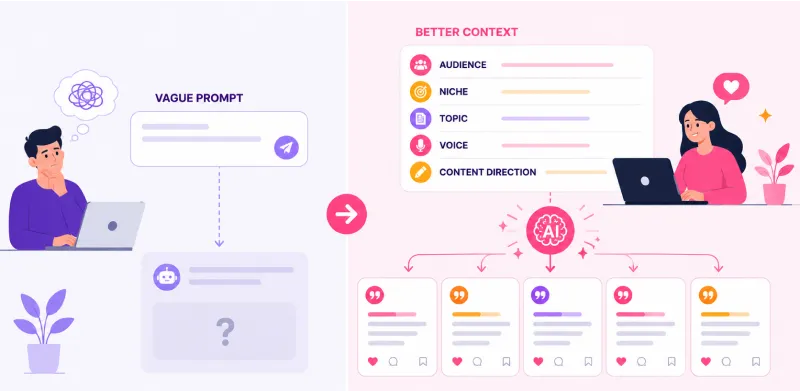
The more context you provide about your niche, audience, topic, and voice, the more relevant your hooks can become.
You can also explore fresh social media content ideas and refine your LinkedIn content strategy with automated workflows that generate captions and CTAs tailored to your niche.
How Creato Helps You Create Hooks
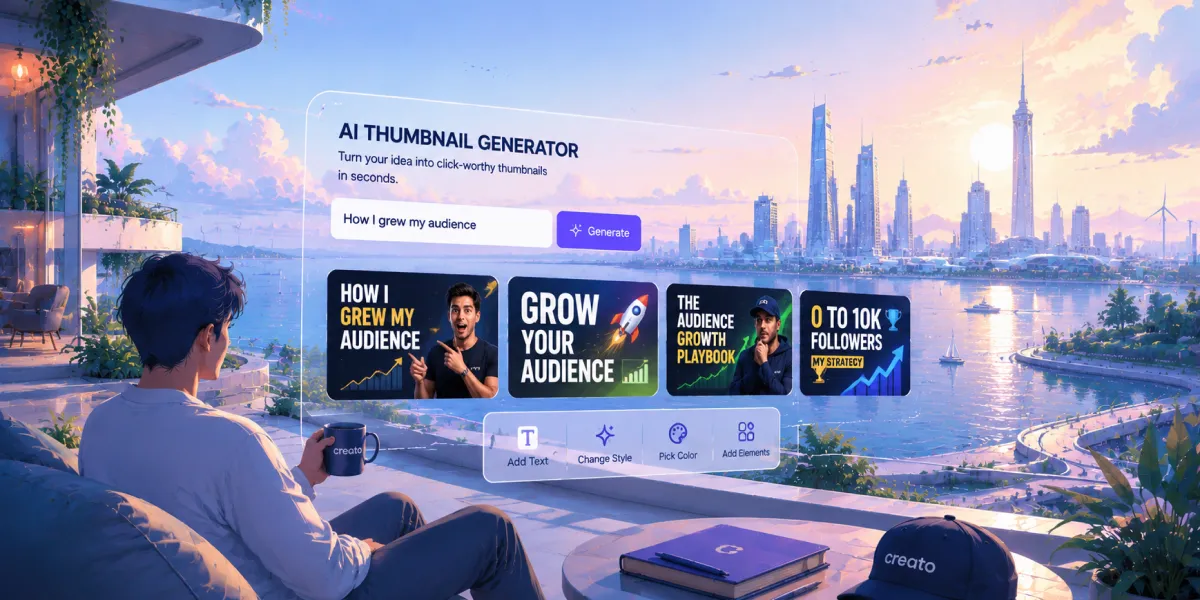
Creato is built to help creators turn ideas into ready-to-publish social content. Its AI Copywriter can generate hooks, captions, carousels, threads, and CTAs from a prompt or URL. Start with a simple idea, add context about your audience or niche, generate hook variations, then turn the selected hook into a branded visual.
With Creato, you can design branded social content and create social media carousels in seconds without opening complicated design software:
The goal isn't to replace your voice. It's to remove the blank-page problem and repetitive work so you can focus on the idea.
Frequently Asked Questions
What is a hook in content creation?+
A hook is the opening line or idea designed to capture attention and encourage someone to keep reading, watching, or swiping.
What makes a hook effective?+
A strong hook is specific, easy to understand, and relevant to your audience. It can create curiosity, highlight a problem, promise a clear payoff, or challenge a common belief.
How long should a social media hook be?+
Keep your hook as short as possible while communicating the main idea. Short, focused hooks are easier to understand when people are quickly scrolling.
Can AI help me write better hooks?+
Yes. AI can generate multiple hook variations based on your topic, audience, and content direction. The best results come from adding context and refining the suggestions to match your voice.
Can I design my hooks with Creato?+
Yes. Creato can help you generate hook ideas and turn them into branded social visuals. You can refine the copy, apply your Brand Kit, and create polished content without starting from a blank canvas.
Conclusion
A scroll-stopping hook doesn't need to be complicated. It needs to be specific, relevant, clear, and interesting enough to earn the next second of attention.
Start with your audience's problem. Add curiosity or a clear payoff. Then make the hook sound like something you would actually say. And when you need to generate and design multiple variations, let AI handle the repetitive work.
Have an idea? Turn it into a stronger hook with Creato and publish scroll-stopping content in under 60 seconds.